


New arrives padel ball trainer TB1
Product Features

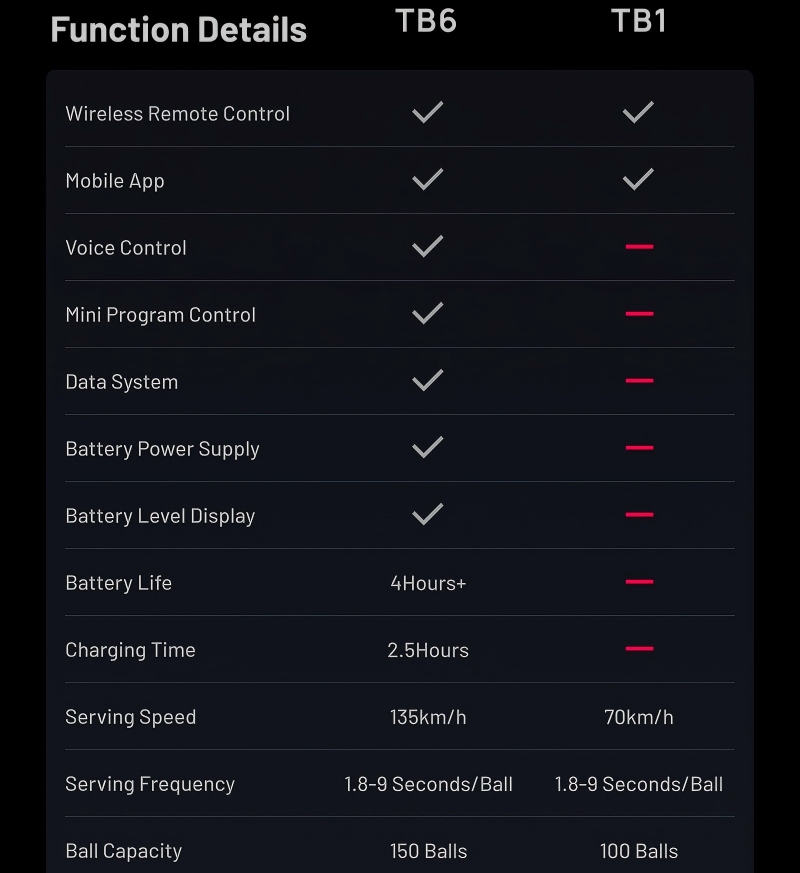
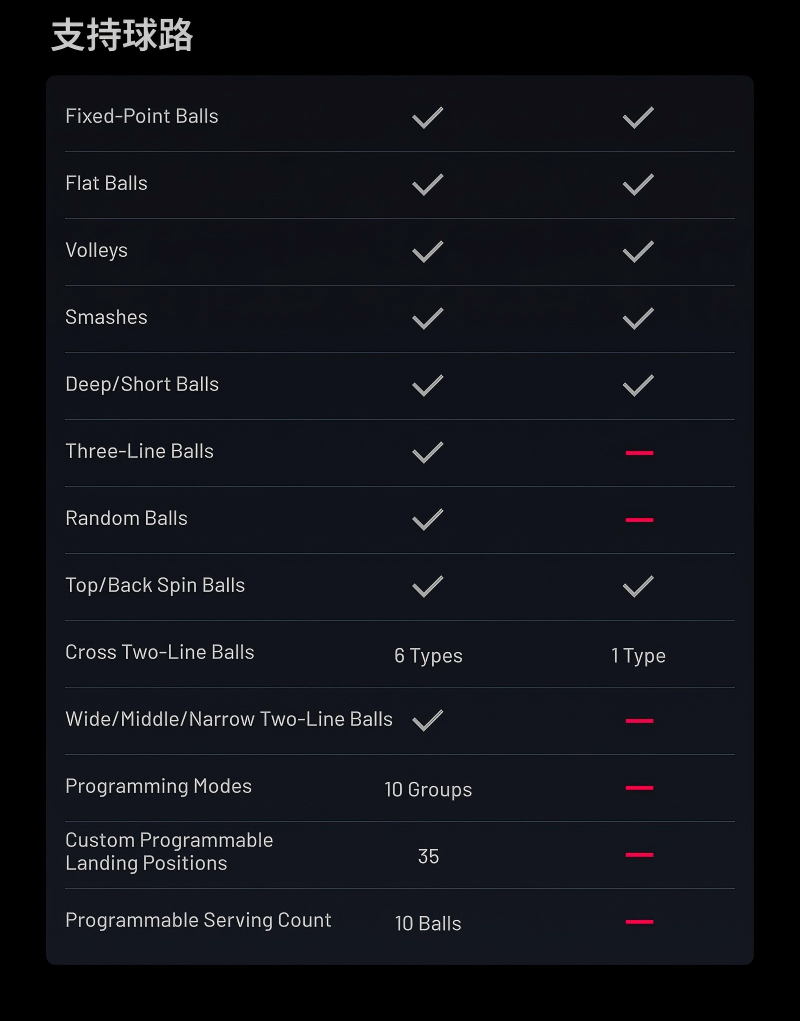
1.Smart Dual Control: Train your way with remote or APP control.
2.Intelligent Reliability: Stay ahead with OTA updates, instant alerts, and self-checks.
3.Padel Optimized: Built from the ground up for padel training.
4.All-Scene Ready: Thrives in clubs, schools, academies, and home setups.
5.Precision Training: Elevate your strokes, footwork, and accuracy.
Product Parameters
1.Frequency:1.8-9s/ball
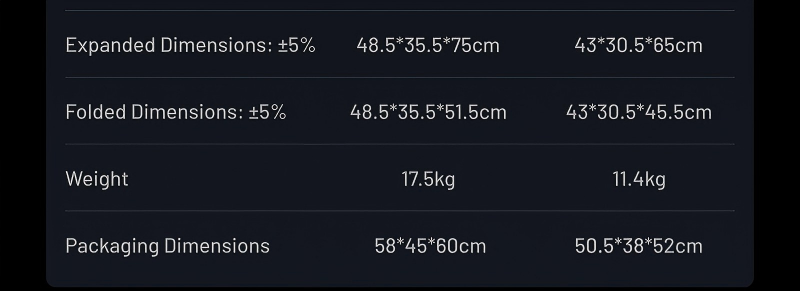
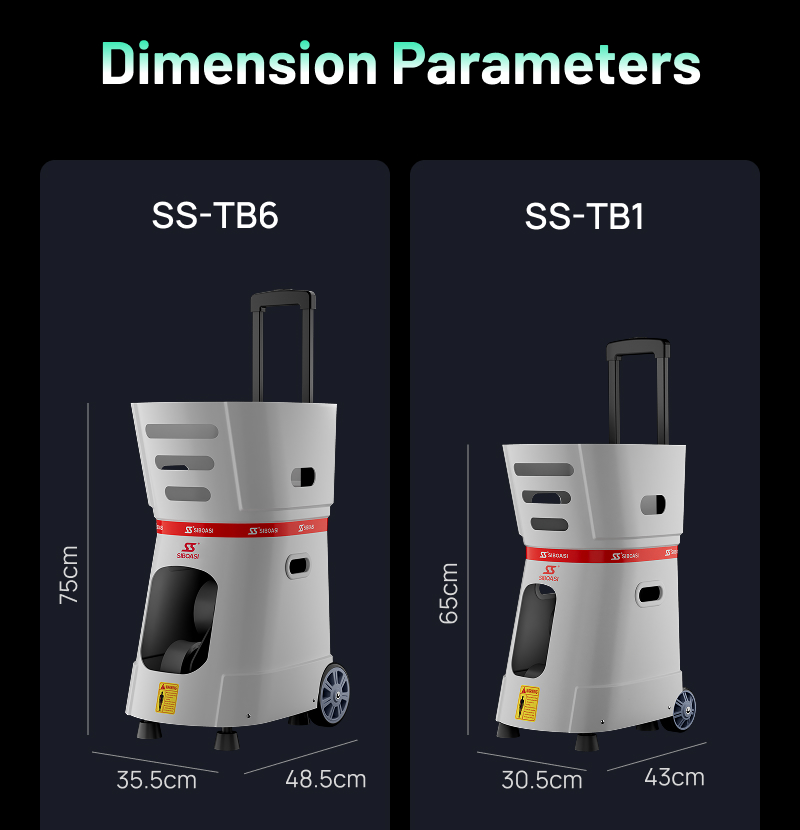
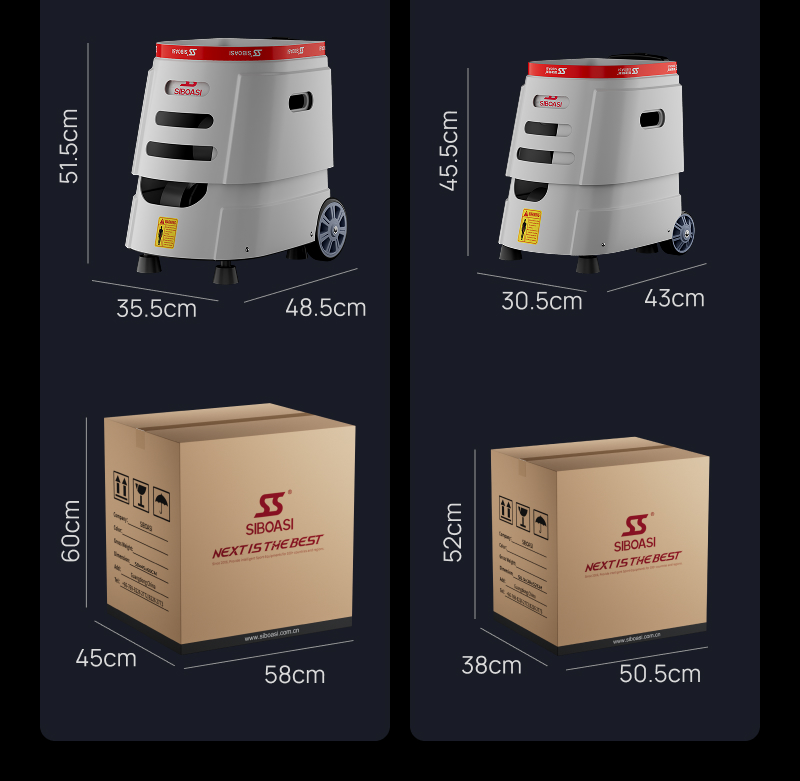
2.Product size:
43*30.5*65cm(unfold)
43*30.5*45.5cm(fold)
3.Net weight:11.5kg
4.Ball capacity:100pcs
5.Color:White,black,red

Differences Between padel and regular tennis
Padel and traditional tennis are two distinct racket sports with significant differences in court specifications, equipment, rules, and player experience.
Padel is played on a smaller, enclosed court surrounded by glass and metal walls, which allow ball rebounds and extend rallies. In contrast, traditional tennis uses a larger open court without wall interaction, focusing on open-space movement and positioning.
In terms of equipment, padel features solid, stringless rackets and a low-pressure ball designed for control and consistency. Traditional tennis employs stringed rackets and high-pressure balls, requiring greater physical strength and swing technique.
From a regulatory perspective, padel is predominantly played in doubles with simplified underhand service rules, emphasizing tactical positioning and cooperative play. Traditional tennis supports both singles and doubles formats, with stricter serving regulations and higher demands on individual athleticism, speed, and technical mastery.
From a market and user perspective, padel offers easier entry, stronger social interaction, and wider accessibility for players of all ages and skill levels. Traditional tennis requires longer-term skill development and places higher emphasis on competitive performance. These structural differences make padel a highly inclusive, fast-growing recreational sport, while traditional tennis remains a benchmark for professional competitive athletics.